Cannavaro’s new look Uzbekistan
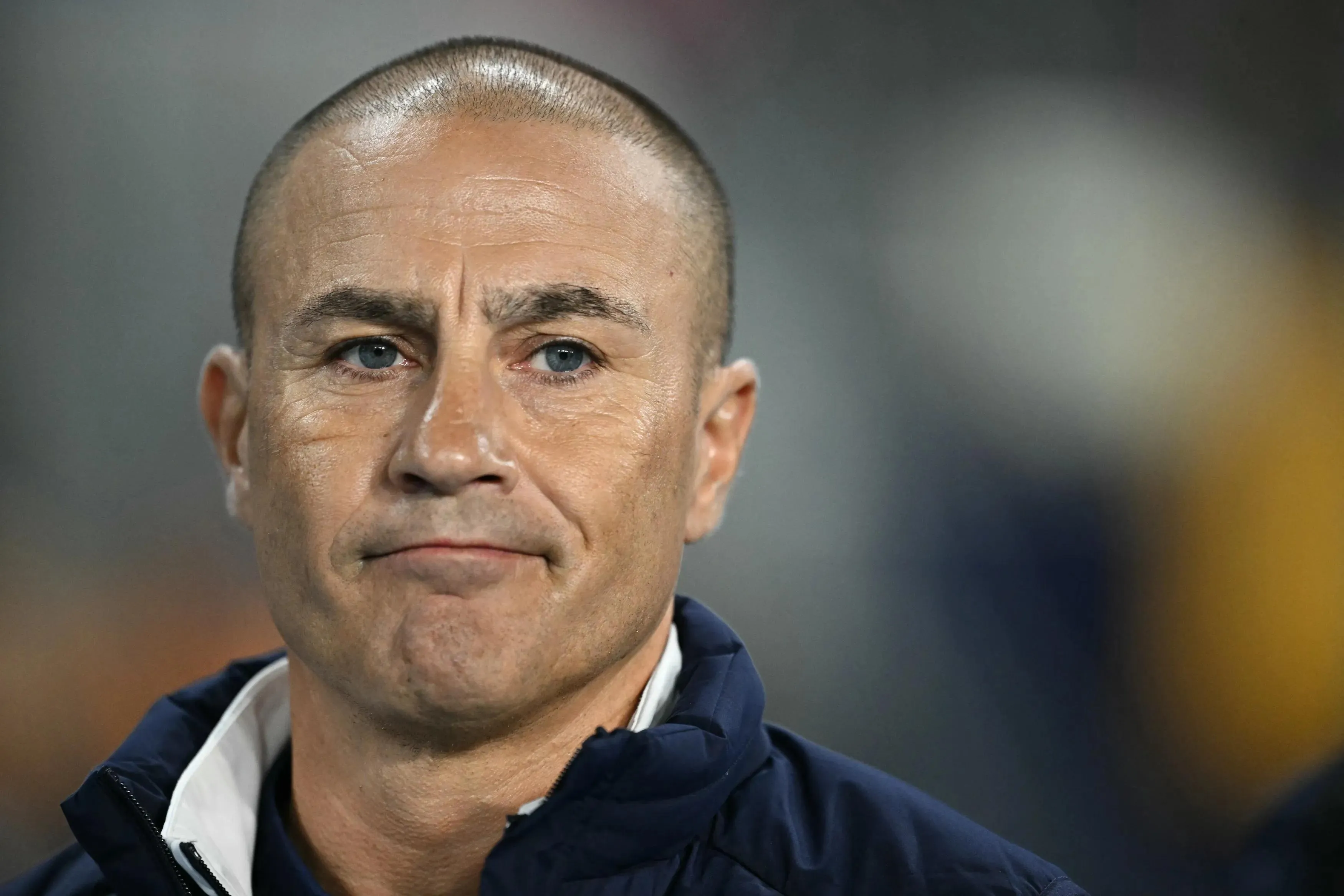
After seven attempts to navigate Asian qualifying, Uzbekistan finally reached the FIFA World Cup™ in 2026. The end of that long wait, however, proved more painful than they had hoped. Drawn in Group K, the White Wolves showed some encouraging signs in their opening match against Colombia, including finding an equaliser, but ultimately lost 3-1.
A 5-0 defeat by Portugal followed before Eldor Shomurodov scored one of the most extraordinary goals of the group stage to put them ahead against Congo DR in their final match. Uzbekistan then conceded three times in the second half though to suffer another defeat.
The first international window following the global showpiece allowed head coach Fabio Cannavaro to set about making significant changes as he looks to usher in a new era. In their first matches since the World Cup, the Italian switched to a back four and adopted a more attacking approach, overseeing a 3-1 victory over IR Iran and a 4-1 win against Syria.
Buoyed by those results, Uzbekistan again deployed a back four against Korea Republic and created a number of opportunities, only to be repeatedly denied by an inspired Cho Hyeonwoo. Goals from Son Heungmin and Oh Sehun ultimately condemned Uzbekistan to defeat as they ended their September-October 2026 international period with two wins and one loss.
Despite the result, Cannavaro was pleased with his side’s performance against difficult opponents, saying post-match: “The result is disappointing, but we played a good game.”
More importantly, the three matches offered Cannavaro an opportunity to assess the tactical overhaul he has begun since the World Cup. Speaking exclusively to FIFA after the match, he gave a positive assessment of the switch to a back four. “I’m happy with the work we’ve done. This time we played with four defenders. We gave the defenders two options, asking them to push further forward and play between the lines, using both short and long passes,” Cannavaro explained. “I think we’ve done very well in the three games since the World Cup. Now we need to keep it going.”
For Cannavaro, however, the changes go beyond simply adjusting the formation. When he took charge of Uzbekistan before the World Cup, he opted to preserve as much of the existing structure as possible. The team had already achieved the historic feat of qualifying for their first global finals, and he saw little reason to make sweeping changes so close to the tournament.
Once the tournament was over, his approach changed. “After the World Cup, I decided to give more opportunities to younger players,” Cannavaro explained. “I thought it was a good time to create a new generation for Uzbekistan.”
The Uzbekistan Football Association’s continued investment in youth development has also played a part in that process. With new talent continuing to emerge, Cannavaro sees no reason to rely exclusively on established players.
What the youngsters need is experience, and the coach believes facing strong opponents such as Korea Republic can accelerate their development. Cannavaro handed three promising players – Aziz Kholmurodov, Nurmuhammad Abduganiyev and Muhammad Hakimov – their senior international debuts over the course of the three matches.
That does not mean, however, that Cannavaro intends to build his new team solely around youth. The key to the next stage of his project is finding the right balance between youth and experience. “We have to keep working with the talented young players and give every player confidence,” Cannavaro told FIFA. “At the same time, we need to find the right blend between the experienced players and the youngsters.” “This is only the beginning,” he added. “I believe we can continue to improve.”
After three successive defeats at the World Cup, Uzbekistan now stand at the beginning of a new cycle. For Cannavaro, these three matches represent the first test of whether that transformation can succeed.