Cristancho: Chile can't wait to get going
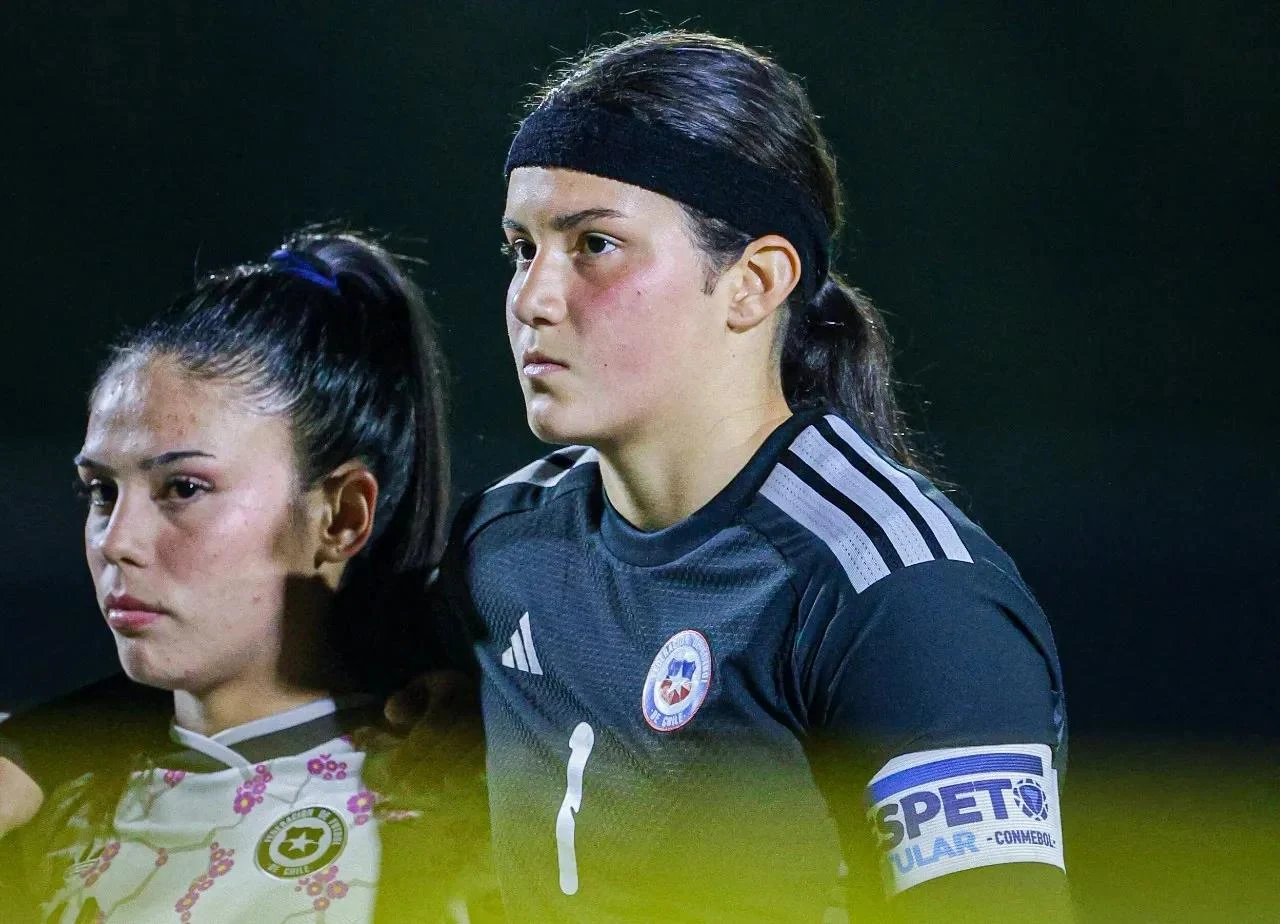
“From a very young age, I loved being a goalkeeper,” Oriana Cristancho revealed in a sit-down interview with FIFA. “Over time, I realised it’s an incredibly difficult position. It can be pretty thankless, but I started to fall in love with it."
The Universidad de Chile starlet speaks with a maturity beyond her years, which is the result of a career stacked with early achievements, including making her CONMEBOL Copa Libertadores Femenina bow on 3 October last year: a day after her 16th birthday.
The FIFA U-17 Women’s World Cup Morocco 2026™ promises to be another milestone in Cristancho’s career. The up-and-coming netminder is determined to enjoy what may be a once-in-a-lifetime experience. Chile are gearing up for their third campaign in the competition, with La Roja’s U-17s not having featured in the tournament line-up since bowing out at the end of the group stage in 2022.
Cristancho decided to don the gloves after having tried her hand at a range of sporting activities, and she soon felt at home between the posts, making the leap up to the professional ranks with Santiago-based outfit Universidad de Chile when she was just 15.
With just over a week to go before the Chileans kick off their Morocco 2026 campaign against Australia, the skipper chatted to FIFA about what coach Vanessa Arauz is building, her aspirations for the tournament and the responsibility that comes with wearing the captain’s armband.
FIFA: What’s the mood in the camp like in the run-up to the World Cup?
Oriana Cristancho: We’re happy and can’t wait to get going, but we’re also aware of the weight on our shoulders as we represent our country at a World Cup. We’re in really good shape. We’re a close-knit group, and we’re looking forward to flying the flag for Chile.
How did your story with the Chilean national team begin?
It all began on the back of a final I played in at youth level. One of the national team coaches who attended that match came over and said he’d like to run the rule over me in the youth national team set-up. A fortnight later, I received a call-up. I was over the moon, because I’d been waiting for that opportunity for a while; that was about two or three years ago, when I was 14.
Are there any Chilean goalkeepers whom you consider to be role models?
I think one of my biggest Chilean icons is Christiane Endler. I look at the career she’s had and how she’s done our country proud by representing Chile in tournaments and playing in leagues abroad.
How have you drawn on your experience to face the challenges with the U-17s and to captain the side?
One thing that’s really helped me is the experience of playing alongside older players in the first team at Universidad de Chile, as well as in the various national team age groups, in the senior side and the U-20s. That’s shown me how to handle the frustration and the pressure. When I’m with the U-17s, I try to use my experience to help out as much as I can.
Chile qualified with a late goal against Ecuador in the CONMEBOL U-17 Championship play-off. What was it like to be involved in that match?
It was a thrilling game. As goalkeepers, we see everything play out in front of us. We feel kind of powerless when things aren’t working out for the team, and there’s not much we can do other than communicate and be there for our team-mates. It was really frustrating and it was such a tight match. The game was edging towards full time. When we came up with that goal, everyone was so excited, because none of us had ever qualified for a World Cup.
Your group is Australia, Mexico and Spain. As a squad, how motivated are you to compete against those teams?
It’s true that we find ourselves in a tricky group, but we know all about just how tough it is to come up against these types of teams. Facing them will help us gauge our level against sides of that stature; we know we can go toe to toe with them, so it’s good that we’ll face such stern competition in the group stage.
What can we expect to see of Chile in terms of performances and what are the team’s biggest strengths?
After the South American Championship, our preparations have involved tours and friendlies against the USA and Canada, which have helped us in terms of our tactics. We’re continuing to gel as a group, staying united and working hard. A number of the girls have also gained experience in the U-20s, U-17s and U-15s, which has helped us get us up to speed as we head into the World Cup. We believe we can put in a good showing.
The coach [Vanessa Arauz] has always stressed the importance of human values. That’s helped us to trust in the staff and believe in what we’re doing both technically and tactically. It gives us the confidence to do what we need to do and grow as individuals and as a team.
What do you imagine it’ll be like to compete in a World Cup?
I’ve spoken to other players who have experienced it, and they say it’s amazing and that there’s nothing quite like it. That’s what I imagine it’ll be like, based on what I’ve seen on TV and social media. It looks like a special event unlike anything I’ve ever experienced. Everyone has told me to just enjoy it. That’s something people often say about international tournaments: to take things seriously but to enjoy yourself.
What hopes do you have for your first World Cup campaign?
I want us to go as far as possible, compete at the highest level, win every game we can and maintain our level of performance while having each other’s backs as a team. Personally, I want to do everything I can to help the team progress. I know there’s an award for the best goalkeeper, but that’s something that’ll take care of itself as the tournament plays out. I just want to do my bit and give my very best to help the team.