Saudi Arabia triumph caps thrilling Gulf Cup
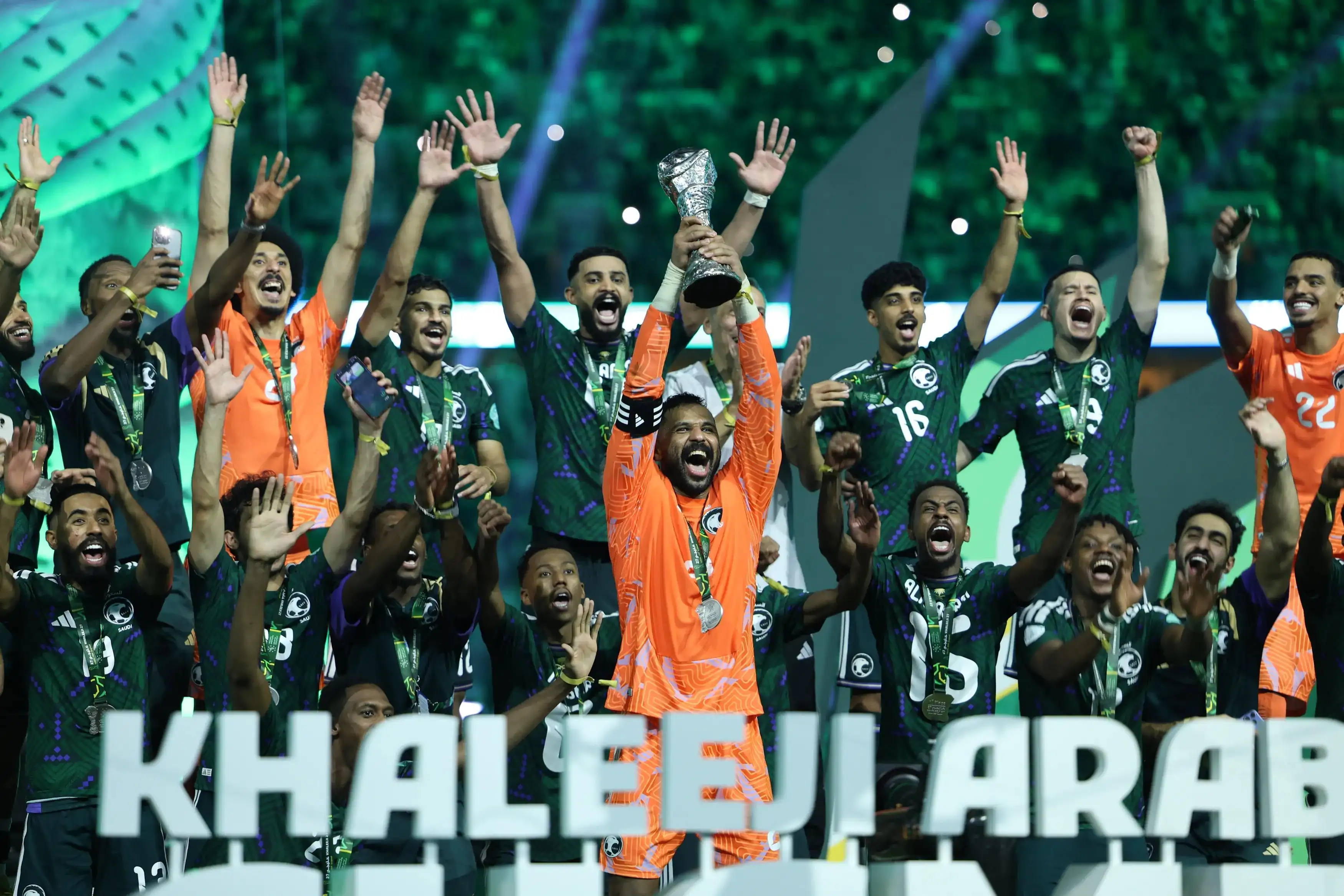
The eight teams competing at Gulf Cup 27 in Jeddah, Saudi Arabia, produced plenty of quality in a tournament characterised by closely fought and entertaining encounters. The Saudi supporters also played a major role in creating a vibrant atmosphere, particularly during the hosts’ matches. The excitement reached its peak in the final, when the Green beat the UAE 2-0 to claim their fourth Gulf Cup title and their first since 2004.
The tournament also delivered plenty of goals, with 39 scored in just 15 matches – an average of 2.6 per game – providing fans across the region with an action-packed competition during the current FIFA international window, which allowed sufficient time for the full schedule of matches to be played.
Gulf Cup 27, the 24th edition of the competition, also carried particular significance as it counted towards the FIFA/Coca-Cola Men’s World Ranking for the first time. FIFA President Gianni Infantino was at Alinma Stadium at King Abdullah Sports City in Jeddah to watch the final between Saudi Arabia and the UAE, having also attended the tournament’s opening match on 23 September.
Saudi Arabia the standout team
Coach Georgios Donis did well in front of the Saudi Arabian Football Federation and the country’s supporters, with the Green producing a series of highly encouraging performances under the Greek tactician. Saudi Arabia were the better side and largely dominated proceedings in every match they played. Donis had taken charge at a difficult time, and supporters were unhappy following Saudi Arabia’s group stage exit at the FIFA World Cup 2026™, particularly after the team had also fallen short of reaching the FIFA Arab Cup 2025™ final just a few months earlier, eventually finishing third.
In the Gulf Cup, however, they recorded four victories and one draw, which came against Qatar in the semi-finals before they advanced on penalties. They completed the entire tournament unbeaten and without conceding a single goal, while scoring eight.
The Green began with a 1-0 victory over Kuwait before beating Oman 3-0 and rounding off the group stage with a 2-0 win against Iraq. After overcoming Qatar on penalties following a goalless semi-final, they produced another impressive display against the UAE in the final, with Hammam Al-Hammami and Firas Al-Buraikan scoring the goals that secured the title.
Iraq disappoint while Qatar reach semis
Iraq are historically one of the Gulf Cup’s most successful teams, having won the competition four times. They are now level with Saudi Arabia as the tournament’s second-most successful nation, behind nine-time champions Kuwait. Iraq also entered this edition as the reigning champions following their triumph in 2023, but their results this time around were far less convincing.
The Lions of Mesopotamia managed just one victory in three matches and exited at the group stage, adding to the disappointment after Graham Arnold’s side had finished 48th and last at World Cup 2026. Their standout moment came in one of the tournament’s most entertaining games, a 3-2 victory over Kuwait in their second group match.
Qatar, the third of the World Cup 2026 participants competing at the Gulf Cup, could consider their campaign a positive one despite failing to reach the final. Their only defeat in four matches came on penalties against hosts Saudi Arabia. They recorded two wins and a draw in the group stage and conceded just one goal during the tournament.
UAE begin Dalic era as Yemen spring surprise
The UAE have been among the region’s most improved teams in recent years. They produced encouraging performances during qualifying for World Cup 2026, despite results going against them in some key matches, and also reached the semi-finals of Arab Cup 2025. The appointment of Zlatko Dalic, who led Croatia to the FIFA World Cup 2018™ final, was made with a view to continuing that progress and achieving further success.
The UAE impressed by topping Group A on goal difference ahead of Qatar and recorded the tournament’s biggest victory with a 4-0 win over Yemen. They then defeated Oman 1-0 in the semi-finals to reach the final, where they came up against a Saudi Arabia side determined to lift the trophy on home soil. Nevertheless, the UAE finished the tournament as leading scorers with nine goals.
Yemen, meanwhile, sprung a surprise in their final group match by recording an emphatic 5-2 victory over Bahrain. The result saw them finish third in Group B and provided further evidence that their qualification for the 2027 Asian Cup was no fluke. Yemen’s Abbas Qasim was also named the tournament’s best young player.